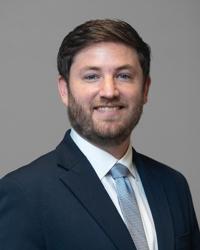

Many people assume orthopedic pain automatically leads to surgery. But according to Dr. Coker Cantrell, an orthopedic surgeon with Northside Hospital Orthopedics, that’s rarely the first step.
Time is often the first treatment.
One of the most important tools isn’t a medication or procedure — it’s time.
“There are a lot of aches and pains of daily living that typically get better with time alone,” Dr. Cantrell said. “Your body really can take care of a lot of these issues. It just needs a little bit of time.”
He explained that many minor injuries improve naturally. “We probably all had something like that where you just tweak something and just a little bit of time and your body really takes care of it,” he said.
Medications can reduce pain and inflammation.
When additional help is needed, medications are often the next step. Anti-inflammatories such as ibuprofen and naproxen are commonly used.
“These anti-inflammatories … number one, they can reduce your pain,” Dr. Cantrell said. “They make things feel better and they can reduce some of that inflammation, which is causing these ongoing issues.”
For patients who cannot take anti-inflammatories, he noted that “Tylenol is a good option,” and other medications may help specific problems such as nerve pain or muscle spasms.
Physical therapy is the “mainstay” of treatment.
Dr. Cantrell emphasized that physical therapy plays a central role in recovery.
“Physical therapy is the biggest thing that we can really do to help you,” Dr. Cantrell said.
Therapy helps patients regain strength, mobility and stability, and improve pain. “Strength and motion are key,” he added.
Even when movement is uncomfortable, staying active is important.
“One of the things that I tell my patients is arthritis likes motion,” he said. “I know it hurts and doesn’t feel good, but the more you move it, the better it's going to be.”
This also works for a wide variety of other conditions, including tendonitis, small tears, stiffness, instability and swelling.
Injections can provide additional relief.
If medications and therapy aren’t enough, injections may help reduce inflammation and pain.
“The whole role of the injection is really to decrease inflammation,” Dr. Cantrell said. “The whole point is to really reduce that pain so you can start working on the motion and strengthening more.”
These include steroid injections, gel injections for knee arthritis and newer options such as platelet-rich plasma, or PRP.
Surgery is usually the last option.
Dr. Cantrell stressed that surgery is considered only after other treatments have been tried.
“I like to do everything I can before I would recommend any kind of surgery,” he said. “A lot of things get better without surgery.”
However, surgery may be necessary for severe injuries. “If you break something or you have a really big tear where it's just not going to heal itself, then it may require surgery,” he said.
Prevention is key to staying active.
Dr. Cantrell said prevention is the best strategy. He recommends maintaining bone health, exercising regularly and building muscle strength.
“One of the biggest things is going to be muscle mass,” he said. “Really, the more muscle mass you have, the more functional you're going to be, even as you age.”
He also advises easing into activity gradually. “Don't just go from zero to 100,” Dr. Cantrell said. “A nice slow progression is the way to do it.”
The overall goal of treatment, he said, is simple: “The main goal is to get you back to doing all the things you want to do without having pain.”
LEARN MORE ABOUT NORTHSIDE HOSPITAL ORTHOPEDICS.