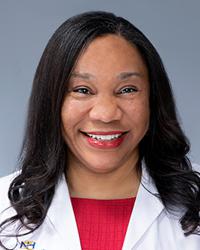
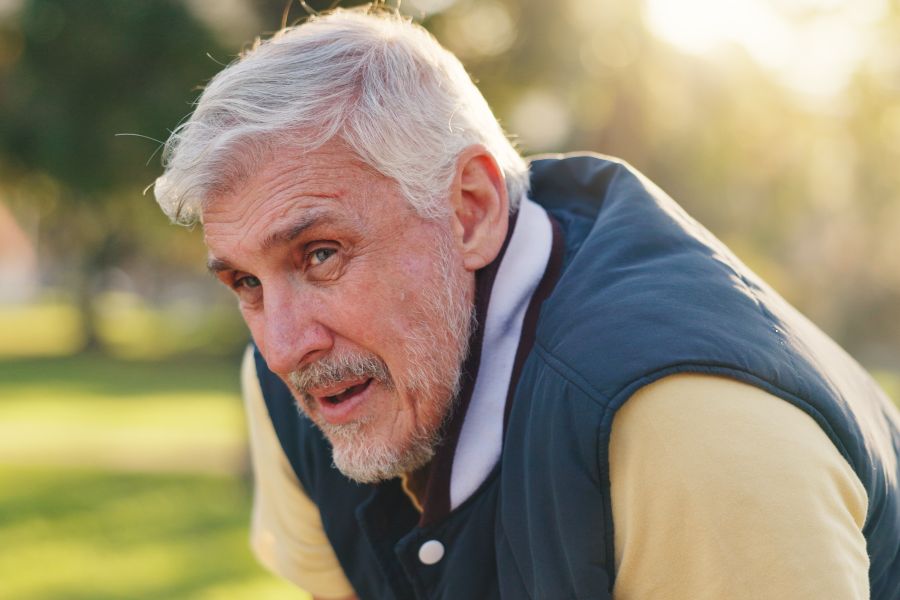
Feeling short of breath can be unsettling — especially when it happens unexpectedly or without exertion. To help explain why breathing issues occur and when to seek care, Dr. Angel Brown, pulmonologist with Cherokee Lung & Sleep Specialists, answers common questions about shortness of breath, also known as dyspnea. Her insights highlight everything from anxiety-related symptoms to serious heart and lung conditions.
Why do I feel short of breath even when I haven’t exercised?
Shortness of breath at rest, or dyspnea, can stem from many causes, ranging from anxiety to serious heart or lung disease. Common factors include panic attacks, heart and lung conditions, obesity, anemia, or weak respiratory muscles from inactivity, which can make even small tasks feel exhausting.
Why would anxiety or stress make it hard to breathe?
Anxiety and stress affect breathing through the body’s “fight-or-flight” response. Stress hormones speed up the heart rate and breathing, sending oxygen to the muscles. Hyperventilation causes an excessive loss of carbon dioxide, leading to dizziness, tingling and a feeling of panic. Stress also tightens breathing muscles, making the chest feel heavy and more challenging to take deep breaths.
Could my shortness of breath be a sign of something serious, like heart or lung disease?
Yes. Shortness of breath can signal serious heart or lung conditions. Heart failure may cause fluid buildup in the lungs, and shortness of breath can occur during a heart attack, even without other symptoms. COPD, asthma, pneumonia, pulmonary embolism and lung cancer are also common causes. Other factors, such as anemia, diaphragm problems or obesity, can also contribute. Any unexplained breathlessness should be evaluated by a doctor immediately.
How can I determine if my shortness of breath is severe enough to warrant immediate medical attention?
While many causes are benign, sudden or severe shortness of breath can be a sign of a medical emergency. Seek immediate medical attention if you experience:
- Sudden or severe shortness of breath with no apparent cause
- Associated symptoms such as chest pain, fainting, dizziness, nausea or confusion
- A bluish tint to the lips, face or fingernails (cyanosis)
- Trouble breathing when lying flat
- Inability to speak in complete sentences due to breathlessness
- Worsening of chronic shortness of breath
Are there simple daily habits that can improve my breathing and lung health?
Yes. Healthy daily habits can protect and improve lung function. Avoiding smoking and tobacco is the most effective step, lowering the risk of COPD and cancer while helping repair damage. Staying active, practicing deep breathing, improving indoor air quality, drinking enough water, getting regular checkups, and staying up to date on flu and pneumonia vaccines also support long-term lung health.
How does a CPAP machine help someone breathe better, and how should I be using one?
A CPAP machine treats obstructive sleep apnea, a condition in which breathing repeatedly stops during sleep. The device delivers steady air pressure through a mask, keeping the airway open and preventing blockages. Consistent use improves sleep quality, reduces daytime fatigue, and lowers the risk of stroke, memory loss, high blood pressure and heart problems. CPAP therapy should be used only if prescribed by a doctor after a sleep study confirms obstructive sleep apnea.
LEARN MORE ABOUT PULMONOLOGY SERVICES AT NORTHSIDE.