
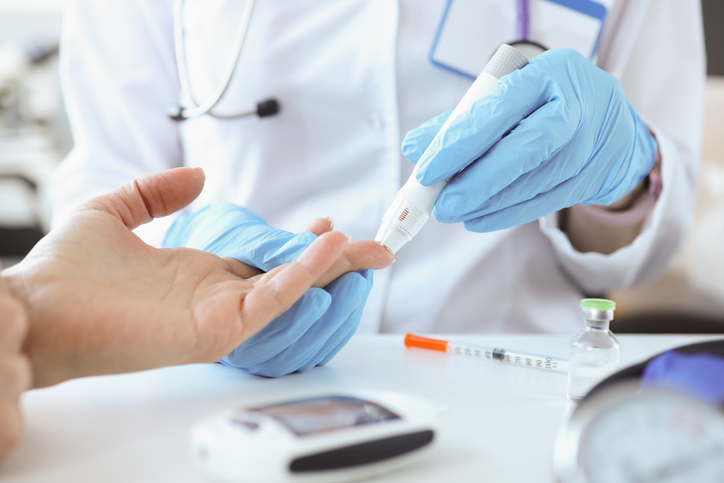
According to the Centers for Disease Control and Prevention, 1 in 5 people do not know they have diabetes. Diabetes is the eighth-leading cause of death in the United States. The number of people diagnosed with diabetes in the past 20 years has more than doubled.
Diabetes is a chronic health condition. When food is eaten, it is digested in the stomach and intestines, broken down into glucose and absorbed into the bloodstream. As blood sugar levels rise, the pancreas releases a hormone called insulin. Insulin acts like a key, unlocking the cell door so glucose can enter the cell and be used as fuel.
Diabetes occurs when the body is unable to properly regulate the amount of glucose in the blood.
For people with diabetes, the body either does not make enough insulin or does not make any insulin (Type 1 diabetes), or the body’s cells do not respond to insulin as they should (Type 2 diabetes). When there is not enough insulin or it does not work effectively, blood sugar levels remain elevated in the bloodstream.
Types of diabetes
Type 1 diabetes occurs when the immune system destroys the pancreatic cells that make insulin. It most often develops in children and young adults under age 30. People with Type 1 diabetes are insulin-dependent and require regular insulin injections.
Type 2 diabetes is the most common form of diabetes and usually develops in older adults. In these patients, insulin is produced but does not work properly, a condition known as insulin resistance.
Prediabetes is a condition in which blood glucose levels are elevated but not high enough to be diagnosed as Type 2 diabetes.
Gestational diabetes occurs in some women during pregnancy and usually resolves after delivery. However, these women need close monitoring because they are at a higher risk of developing Type 2 diabetes later in life.
Complications of diabetes
Long-term complications of diabetes include coronary artery disease, an increased risk of heart attack and stroke, nerve damage, kidney damage, kidney failure requiring dialysis or transplantation, eye damage, blockages in the lower extremities, poor wound healing and skin infections.
The importance of lifestyle changes
Lifestyle interventions — including nutrition, physical activity, stress management, adequate sleep, social connectedness and avoidance of risky substances — play a critical role in managing adults with Type 2 diabetes and preventing Type 2 diabetes in adults with prediabetes or a history of gestational diabetes. According to the American College of Lifestyle Medicine, intensive lifestyle changes can reverse Type 2 diabetes when done under medical supervision.
There is strong evidence supporting a high-fiber, low-fat, plant-predominant diet.
Physical activity includes walking, gardening, leisure activities and exercise. Aerobic and resistance exercises have been well studied and are known to improve blood sugar control in people with Type 2 diabetes. Aim for at least 30 minutes of moderate-intensity activity most days of the week, such as brisk walking, swimming or other aerobic exercise.
Chronic stress can contribute to diabetes. Focus on healthy coping strategies to reduce stress and promote emotional well-being, such as relaxation techniques, deep breathing exercises, meditation and yoga. Limit alcohol consumption and prioritize adequate sleep — typically at least seven hours per night with consistent sleep patterns.
Maintaining a healthy weight is critical, and smoking cessation is especially important.
Regular checkups with your doctor are essential. Routine monitoring of blood sugar, cholesterol and A1C levels, along with careful blood pressure management, allows your physician to evaluate how well your treatment plan is working. Joining a lifestyle program can help protect your future. Early action saves lives. Prevention starts with one decision.
LEARN MORE ABOUT NORTHSIDE HOSPITAL HEART INSTITUTE.